Everything You Need to Know About Your First eSIM Card
What if your phone could connect to a mobile network without a physical SIM card? An eSIM is a built-in digital chip that performs the same authentication and network registration functions, eliminating the need for a plastic card. To use it, you simply download a carrier’s profile directly to your device, allowing you to switch networks or add a second line without swapping cards. This embedded technology offers smarter connectivity by saving physical space and enabling remote provisioning.
What Is an Embedded SIM and How It Works
An embedded SIM (eSIM) is a permanently soldered chip inside your device, replacing the physical plastic card. It works by storing multiple carrier profiles digitally; switching providers means downloading a new profile from a QR code or app, without swapping any hardware. Q: Does an eSIM work differently than a physical SIM? A: No, it performs the same authentication and network connection functions, but it is rewritable and remote-managed, so you activate a plan by scanning a code rather than inserting a card.
Defining the technology behind a programmable chip
At its core, an eSIM’s programmable chip is a dedicated, tamper-resistant hardware component embedded directly onto a device’s motherboard. Unlike traditional SIM cards, this chip does not store a static International Mobile Subscriber Identity. Instead, it operates using remote provisioning technology, where a secure element running a Java Card applet dynamically writes and rewrites operator credentials. This reprogramming occurs via a cryptographic handshake with a remote Subscription Manager, erasing the old profile before loading a new one. The chip’s architecture isolates this subscriber data from the main device operating system, ensuring that only authenticated commands from the operational network can alter the stored profile.
Differences from a traditional plastic SIM card
Unlike a traditional plastic SIM card, an eSIM is directly embedded into the device’s motherboard, eliminating the physical slot and the need to handle a removable chip. While a plastic SIM must be physically swapped to change carriers, an eSIM allows users to remotely activate and switch between mobile profiles via software, without handling any hardware. The plastic SIM is tied to a single physical card per profile, whereas an eSIM can store multiple profiles simultaneously for instant switching. Additionally, the eSIM is soldered in place, making it immune to damage from insertion or removal, but also non-transferable between devices without a new digital download.
An eSIM replaces the physical plastic card with a soldered chip, enabling remote carrier switching and multiple profiles without hardware swaps, unlike traditional SIMs that require manual card changes.
How remote provisioning replaces physical swaps
With an eSIM, you say goodbye to hunting for a tiny SIM tray and swapping plastic cards. Instead, digital carrier profiles are sent directly to your phone over the air. You simply scan a QR code or tap a carrier app, and the new profile instantly activates. This remote provisioning replaces physical swaps entirely, letting you switch networks on the fly without ever touching hardware.
- Download a new data plan while traveling without visiting a store.
- Add a local number for a trip without removing your home SIM.
- Activate service immediately when you sign up online.
- Easily revert to your old profile if the new one doesn’t work out.
Key Benefits of Switching to a Digital SIM
Switching to an eSIM card eliminates the physical fragility and hassle of traditional SIMs, offering instant digital activation without waiting for a plastic chip to arrive. You can store multiple network profiles on a single device, allowing seamless switching between work and personal lines or local data plans when traveling. This eliminates the need to carry a tray tool or worry about losing a tiny card while swapping providers. Your device becomes more water and dust resistant without a SIM slot, while remote provisioning lets you activate a new plan in seconds directly from your settings menu, offering unmatched convenience and flexibility for modern mobile usage.
Convenience of activating without a physical card
The core convenience of an eSIM is the elimination of waiting for a physical SIM card. Activation occurs entirely within your device’s settings, typically via a QR code or an app, which can be completed in under two minutes. This process is critical for travelers who can purchase and activate a local data plan remotely before departing, ensuring connectivity upon landing. The sequence for most modern phones is:
- Purchase a plan from a supported carrier and receive a QR code or activation code via email.
- Open your device’s cellular settings and select “Add eSIM.”
- Scan the QR code or enter the details manually to download the profile.
- Configure the eSIM line for data or calls, and immediate service begins without a physical card swap.
Managing multiple carrier profiles on one device
Managing multiple carrier profiles on one device transforms travel and daily connectivity. Instead of swapping physical SIMs, you store several eSIM profiles and toggle between them instantly. Switching carrier profiles on one device lets you keep a local plan active while preserving your home number for calls or two-factor authentication, all without juggling tiny chips. One profile handles your work line, another your personal data, yet your contacts never miss you. This flexibility means you never lose signal across borders or need a second phone.
Managing multiple carrier profiles on one device keeps you seamlessly connected to work, home, and local networks, all at once.
Space savings for thinner and more durable gadgets
By eliminating the physical SIM tray, an eSIM frees up critical internal real estate, enabling manufacturers to craft thinner and more durable gadgets. This reclaimed space allows for larger batteries or more robust cooling systems without increasing device thickness. The absence of a tray slot also removes a structural weak point, making phones more resistant to water ingress and physical damage from drops or pressure. Your device becomes both sleeker and tougher, combining a minimalist profile with enhanced long-term reliability.
Which Devices Support This Modern Feature
eSIM card support is now standard across flagship smartphones from Apple, Google, and Samsung, including the iPhone 14 series (US models) and all iPhone 15 models. Leading Android devices like the Google Pixel 8 Pro and Samsung Galaxy S24 Ultra natively support dual SIMs without a physical card. Beyond phones, the Apple Watch Series 9 and Ultra 2 allow standalone cellular plans directly. For tablets, the iPad Pro (M4) and Samsung Galaxy Tab S9 series offer integrated eSIM management. Many newer laptops, such as the Microsoft Surface Pro 10 with 5G, also feature this embedded SIM technology. To confirm a specific model, check your device’s settings menu for “Add eSIM” or “Mobile Plan”; if present, your device supports this modern feature.
Latest smartphones and their dual-SIM capabilities
The latest flagship smartphones, like the iPhone 15 Pro and Samsung Galaxy S24 Ultra, now let you run two active lines simultaneously, often combining a physical SIM with an eSIM. This means you can keep your personal number and a work line on one device without carrying two phones. Dual-SIM capabilities with eSIM are a game-changer for travelers, letting you add a local data plan while keeping your home number active. However, some models, like Pixel 8, support dual eSIMs but might still lock certain features like 5G on the second line.
Q: Can I use two eSIMs on one phone?
A: Yes, many latest phones support dual eSIMs, but check that your carrier allows it for both lines.
Tablets, smartwatches, and laptops with embedded options
For portable connectivity, tablets, smartwatches, and laptops with embedded eSIM options eliminate the need for physical SIM trays. An iPad Pro or Samsung Galaxy Tab can activate a secondary data plan directly in settings, perfect for on-the-go work. Smartwatches like the Apple Watch Ultra clone your phone’s number, allowing calls and texts without a paired handset. Meanwhile, laptops such as the Dell Latitude 9440 or Lenovo ThinkPad X1 Carbon embed eSIM for instant LTE, turning any hotspot dead zone into a productive environment.
| Device Type | eSIM Benefit | Setup Method |
|---|---|---|
| Tablets | Adds a second cellular line for work | Settings menu, scan QR code |
| Smartwatches | Shares your phone number independently | Carrier app or watch settings |
| Laptops | Always-on internet without USB dongles | Windows or macOS eSIM manager |
Checking compatibility before making the switch
Before switching to an eSIM, verify device compatibility first by checking your phone’s settings menu for an “Add eSIM” or “Mobile Plans” option. Most modern smartphones—including recent iPhone, Google Pixel, and Samsung Galaxy models—support eSIM, but older or carrier-locked devices may not. Confirm that your carrier offers eSIM activation for your specific device model and that your current plan allows a transfer. Without this check, you risk losing service during the switch.
- Navigate to Settings > Cellular/Mobile Data to see if “Add eSIM” appears.
- Consult your carrier’s official eSIM compatibility list for your device model.
- Ensure your phone is unlocked and running the latest operating system version.
- Back up your existing physical SIM profile before initiating the eSIM transfer.
How to Activate and Set Up a Virtual Profile
When you land in Lisbon, your phone buzzes as you buy the local eSIM plan online. First, you scan the QR code from your provider’s confirmation email, which instantly downloads your virtual profile onto the device’s eSIM slot. Next, you go to your phone’s cellular settings, where you assign this profile as the primary data line while keeping your home SIM for calls. However, setting it as “secondary” often prevents data from switching automatically, so double-check the priority toggle. Finally, you toggle off your old physical SIM to avoid accidental roaming charges, and within seconds, you’re navigating the cobblestone streets with a local IP address and seamless connectivity.
Steps for scanning a QR code from your carrier
To scan a QR code from your carrier for eSIM activation, first ensure your device connects to Wi-Fi. Open your Settings app, then navigate to Cellular or Mobile Data. Tap “Add Cellular Plan” and use your camera to scan the carrier-provided QR code. The device will then download and install the eSIM profile from your carrier. Follow on-screen prompts to label the new line and set it as default if desired. Scanning should be performed in good lighting to ensure quick recognition.
Q: What if my phone does not read the QR code from my carrier?
Ensure your camera lens is clean and the QR code is flat, undamaged, and well-lit. If it still fails, tap “Enter Details Manually” in your settings to input the SM‑DP+ address and activation code supplied by your carrier, rather than scanning.
Alternative activation via a mobile app
For eSIM activation via mobile app, you skip physical cards entirely. After purchasing your plan, simply download the provider’s app, scan a QR code or enter a confirmation code, and the app installs your eSIM profile directly. The process typically takes under two minutes. You can even activate mid-trip by switching your default line in the app without needing a store. Most apps allow you to label profiles (e.g., “Travel Spain”) for clarity. A single app interface often lets you toggle between primary and secondary lines, top up data, or delete expired profiles, giving you full control from your phone screen.
| Aspect | App Activation |
| Setup Time | Under 2 minutes |
| Physical Card | Not required |
| Profile Management | Install, switch, or delete in-app |
| Mid-Trip Use | Yes, without visiting a store |
Switching between data plans without changing hardware
Switching between data plans without changing hardware is a core advantage of eSIM technology, enabling users to select a new carrier or data package directly from their device settings. This process typically requires no physical SIM swap. To execute a switch, follow this sequence:
- Access your device’s cellular or mobile data settings menu.
- Locate the active eSIM profile and deactivate or remove it.
- Download and activate a new data plan profile from a supported carrier.
The system re-provisions the software-based SIM chip to apply new network credentials instantaneously. This method eliminates downtime from waiting for a physical card, with the user simply selecting the desired profile from stored options to toggle service.
Traveling Internationally with This Technology
Traveling internationally with an eSIM is a game-changer because you can download a local data plan before you even leave home, avoiding the hunt for physical SIMs or expensive roaming fees. Upon landing, your phone automatically connects to a local network, keeping maps and messaging apps live instantly. A common question is: How do I switch back to my home number? Simply disable the travel eSIM profile in your settings and UK eSIM re-enable your primary line—your regular calls and texts work again, no tray-swapping needed. It’s that seamless for hopping between countries.
Buying local data plans before or after arrival
Deciding whether to buy a local data plan before or after arrival hinges on connectivity needs versus flexibility. Purchasing an eSIM plan pre-departure guarantees immediate data upon landing, eliminating the hunt for Wi-Fi or a physical SIM kiosk, which is perfect for navigation or ride-hailing. Waiting until after arrival, however, allows you to evaluate local carrier speeds or choose a short-term plan if your trip extends unexpectedly. The key trade-off is that pre-purchased plans often lock you into a set data cap, while post-arrival purchases let you test network performance. For most users, buying a local eSIM before departure offers the smoothest handoff from airplane mode to active service.
Avoiding roaming fees through instant network changes
An eSIM eliminates roaming fees by enabling instant network changes as you cross borders. Instead of paying your home carrier’s daily rates, you activate a local data plan in seconds from your device’s settings. This switch bypasses international surcharges entirely, connecting you to a local operator at local prices. You control which plan is active, avoiding surprise bills. Simply scan a QR code or use an app to load a plan before you travel, then toggle between profiles. The same eSIM can hold multiple plans, letting you swap to a regional or global option mid-trip without physical cards or penalty fees.
Q: How does an eSIM prevent roaming fees during travel?
A: By letting you instantly switch to a local network provider’s digital plan, you avoid your home carrier’s roaming charges entirely.
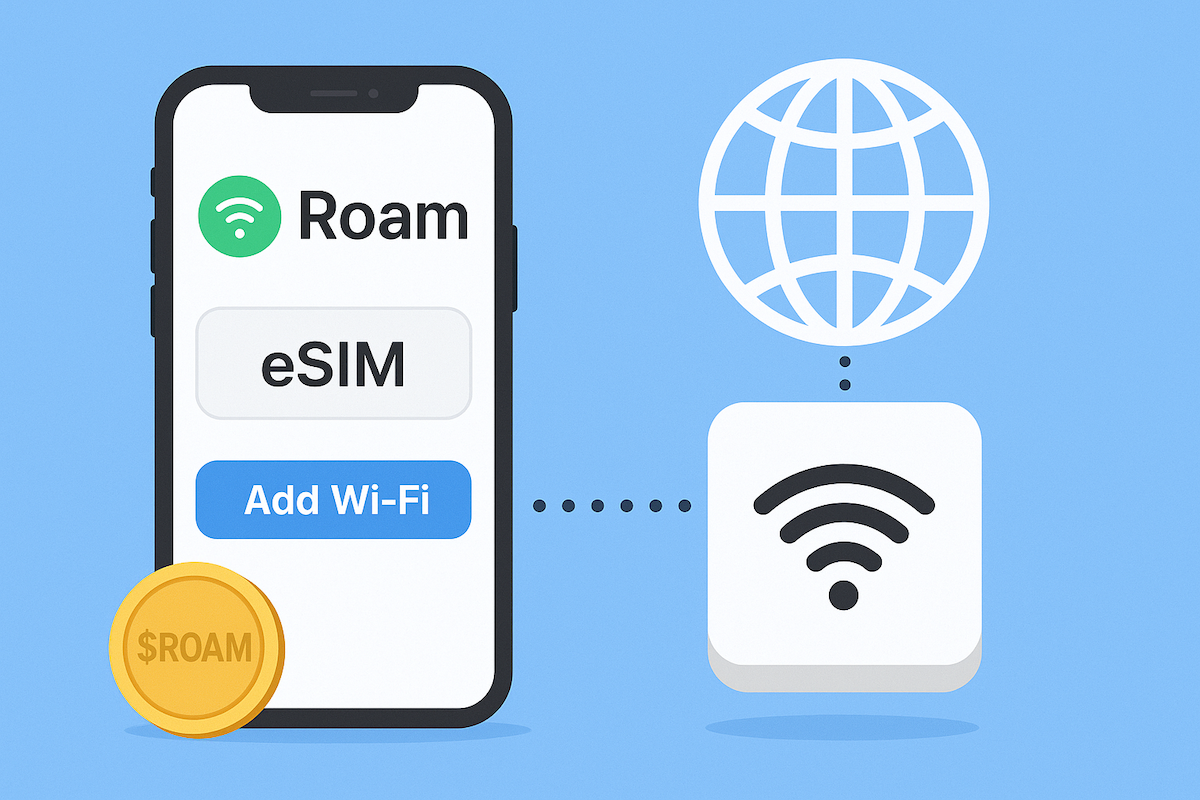
Keeping your home number active while using foreign data
Using an eSIM for foreign data does not require deactivating your home number. You can keep your primary line active for SMS and calls, typically by setting the eSIM as the default for cellular data while keeping your physical SIM or primary eSIM for voice and text. To avoid roaming charges, disable data roaming on your home line explicitly. For two-factor authentication codes, ensure your home number remains reachable. The sequence is: dual-SIM configuration is essential.
- Install the foreign eSIM for data.
- Set your home line for calls and SMS only.
- Turn off data roaming on the home line.
- Receive SMS on the home line without incurring data fees.
Security and Privacy Considerations
An eSIM’s remote provisioning inherently reduces physical theft risk compared to a removable SIM, but it introduces new attack surfaces. Your eSIM profile is cryptographically signed by the carrier, meaning a malicious actor cannot install a fake profile without breaching the carrier’s secure infrastructure. However, your device’s eSIM management interface itself is a vector; always require device-level authentication before any profile operations to prevent an attacker who gains remote access from swapping your identity. A key nuance is that while the eSIM profile is isolated in hardware, the trust ultimately depends on the carrier’s backend security—a compromise of their subscription manager could expose your stored credentials. For privacy, an eSIM prevents physical snooping of your SIM card’s serial number, but you should still routinely audit which profiles are active, as a dormant, forgotten profile on your device remains a potential linkage point for tracking your location or network activity.
How remote management reduces theft risk
Remote management reduces eSIM theft risk by eliminating the physical SIM card that thieves can remove or swap. With an eSIM, the profile is embedded and instantly deactivatable via a remote server. If a device is lost, the user or administrator can immediately delete the eSIM profile from the cloud, rendering the connection useless to a thief. This remote kill switch prevents unauthorized use of mobile data or voice services on the stolen hardware, as the profile cannot be transferred to another device without secure issuer credentials.
Q: Can remote management prevent a thief from using my eSIM data after they power off the phone?
Yes. Even if the device is turned off, the eSIM profile remains inactive until you remotely delete it through the carrier’s management portal or app, which blocks any future activation attempt.

Protecting your digital identity against cloning attempts

Protecting your digital identity against cloning attempts with an eSIM starts with securing the QR activation code as if it were your physical SIM. Never photograph or store it unencrypted in a cloud service, as a cloned identity begins with a stolen barcode. Treat the eSIM’s activation details like a master key that non-revocably ties your number to an attacker’s device if compromised. Use your carrier’s app with biometric locks for reprovisioning, and immediately deactivate any old profiles if your phone is lost. Always verify SMS-based 2FA codes redirect to your eSIM, confirming no rogue profile lurks.
Wiping profiles remotely if the device is lost
If your phone goes missing, remotely wiping your eSIM profile is a lifesaver. Because eSIMs are embedded, you can log into your carrier’s app or website to instantly delete the digital profile. This blocks anyone from using your mobile plan, even if they swap SIMs. It’s faster than waiting for a physical SIM replacement, and it protects your linked accounts from SMS-based verification codes. Make sure you know your carrier’s remote wipe steps ahead of time—it’s the only way to truly secure your eSIM profile after a loss.
Choosing a Provider and Plan That Fits
When choosing a provider and plan for your eSIM card, first check that your phone is unlocked and supports the provider’s network frequencies. Compare apps like Airalo or Holafly for short trips, or local carriers for longer stays. Look for plans that match your data habits—light users might save with pay-as-you-go, while heavy streamers need generous high-speed caps. Finding the right eSIM plan also means verifying coverage in your specific destinations, as rural areas sometimes have weaker signals. Don’t overlook plan duration: multi-week trips benefit from monthly passes, while a weekend getaway works best with a 7-day option.
Comparing major carriers vs. global virtual providers
When choosing between major carriers and global virtual providers for your eSIM, think about coverage versus convenience. Major carriers like T-Mobile or Vodafone offer robust, native network access with local phone numbers, perfect if you need reliable service in one region for a long trip. Global virtual providers like Airalo or Holafly, however, let you hop countries without swapping SIMs, ideal for multi-destination travel. They often win on price for short stays, but you might lack local call capabilities. For comparing eSIM flexibility, virtual providers let you install and switch data plans instantly from an app, while carriers usually tie you to their own ecosystem and contracts.
Pay-as-you-go options for short-term users

For short-term users, pay-as-you-go eSIM plans provide maximum flexibility without long-term commitments. You purchase a set data allowance or valid days upfront, then top up only when needed. This approach eliminates monthly fees and cancellation hassles. Flexible eSIM top-ups allow you to adjust your data volume mid-trip, preventing waste on unused gigabytes. Such plans often activate instantly upon purchase, making them ideal for layovers or weekend getaways.
- Select a plan with a validity period matching your exact travel duration, such as 7 or 14 days.
- Monitor your consumption via the provider’s app to add a mini top-up if you run low.
- Compare per-gigabyte rates across providers for short-duration plans, as pricing varies sharply.
- Ensure the plan covers your destination’s network bands for consistent connectivity.
Evaluating data speeds and coverage in your region
Evaluate eSIM data speeds and coverage by first checking independent user reports on platforms like OpenSignal or nPerf, which map real-world performance in your specific neighborhood, not just theoretical maps. Download an eSIM provider’s test plan or use their free trial to run speed tests at peak hours in high-traffic zones like your commute or office. Local congestion patterns, not just coverage area, determine if your eSIM will drop to 3G during midday. Then, verify which local network partners the eSIM uses, as roaming on a secondary tower often yields slower pings.
- Run speed tests at multiple times (early morning, evening) from your home and work locations.
- Compare latency scores; high latency (above 100ms) cripples video calls and gaming.
- Check if the eSIM prioritizes the region’s strongest local carrier (e.g., Vodafone in Europe vs. T-Mobile in the US).
- Read recent local forum posts for a reality check on dropped signals in basements or rural outskirts.
Troubleshooting Common Issues
When an eSIM fails to activate, first confirm that your device is unlocked and on a compatible carrier. A common snag is a weak Wi-Fi connection during the profile download; switch to a stronger network or use mobile data. If service drops after switching phones, you likely did not transfer the eSIM correctly—most carriers require you to delete the old profile first. Q: Why does my eSIM show “No Service”? A: This often means the eSIM profile is corrupted or the phone is set to the wrong line. Delete the profile, restart the device, and re-scan the QR code. Also, ensure “Data Roaming” is toggled on if you are traveling, and check that the APN settings match your provider’s exact specifications.
What to do when the profile fails to download
If your eSIM profile fails to download, start by **checking your internet connection** on a stable Wi-Fi or cellular network. Then, restart your device to clear any temporary glitches. Ensure your phone’s operating system is up to date, as outdated software can block the download. Next, manually scan the QR code from your carrier again, making sure you haven’t entered any incorrect digits. If that doesn’t work, delete any partially saved profiles under your cellular settings before retrying. Finally, reach out to your carrier—they can resend the profile or refresh it on their end.
Resolving network disconnections after activation
If your eSIM activates but frequently loses signal, reset network settings to clear conflicting carrier data. Immediately toggle Airplane Mode for 60 seconds to force a fresh registration with the network. Navigate to your device’s cellular menu and manually select your carrier if automatic selection fails. Verify that your data roaming is enabled, as many eSIM profiles require this even for domestic use. Restart your device to flush temporary glitches. If disconnections persist, delete and re-download the eSIM profile from your carrier’s app or QR code, ensuring a stable Wi-Fi connection during download.
Contacting support for profile transfer or deletion
When contacting support for eSIM profile transfer or deletion, provide your ICCID and device IMEI for verification. For transfers, confirm eligibility with your carrier, as some profiles are locked to one device. For deletions, specify whether you want the profile removed from your device but retained by the carrier, or permanently erased from the network server. Follow this sequence:
- Locate the eSIM activation code or QR for proof of purchase.
- Request either a new QR code for transfer or a confirmed deletion receipt.
- Test network connectivity after the change; if issues persist, reopen the ticket with error details.
Future Trends and Evolving Use Cases
Future eSIM trends point toward seamless multi-device ecosystem integration, where a single profile manages your phone, laptop, and IoT wearables simultaneously. This will enable automated, context-aware switching—for example, your watch activating a temporary data plan when you run without your phone. A key evolving use case is the ‘digital twin’ SIM for travel. Q: How will eSIMs change how we handle temporary connectivity? A: Instead of buying a local SIM, you will instantly activate a short-term, carrier-agnostic data bundle from a global marketplace, then delete it moments later, with zero physical waste. Expect eSIMs to also unlock pay-per-use smart appliance subscriptions in the near future.
Integration with IoT devices and smart home tech
An eSIM enables seamless provisioning of dozens of smart home sensors, locks, and cameras without physical SIM swaps. Each IoT device, from a thermostat to a water leak detector, can securely latch onto the best available local network, automatically switching between cellular bands or Wi-Fi via the eSIM’s remote profile management. For a smart home hub, this means zero-touch device onboarding: a new sensor arrives, scans a QR code, and instantly activates its data plan. In complex setups, the eSIM allows a single user interface to toggle permissions or deactivate a stolen gadget, eliminating the need to hunt for a nano‑SIM tray behind a mounted device.
Carriers moving toward chip-free, fully digital authentication
Carriers transitioning to eSIM are now prototyping chip-free, fully digital authentication by replacing traditional SIM applets with cloud-based attestation. This eliminates the need for any embedded hardware, relying instead on device-stored cryptographic keys verified through the carrier’s zero-touch provisioning server. Activation becomes a purely software handshake: the user scans a QR or taps an OTP, and the carrier’s identity is authenticated via asymmetric signatures rather than a stored profile. For travelers, this means instant network attachment without installing an eSIM profile, as authentication is handled entirely in memory during session initiation.
Potential for universal connectivity across all gadgets
The eSIM’s core promise is seamless gadget roaming, enabling a single, portable data profile to hop between a phone, laptop, tablet, and smartwatch without a physical swap. This convergence removes the friction of juggling multiple SIM trays, turning every screen into an instant hotspot. To achieve this, users typically:
- Activate a universal data plan via an app on a primary device.
- Copy the QR code or install profile to companion gadgets.
- Toggle the active device in the eSIM management menu.
The result is a unified connection that flows across your entire ecosystem, making any internet-dependent tool immediately usable.